Client
Academic Project
Year
2024
Services
Visual Design
UX Research
AR Storytelling
Team / Role
Solo Designer
Description
The Dholavira AR intervention brings the rich history of this UNESCO World Heritage Harappan city to life through an interactive spatial experience. Designed for on-site and remote users alike, the experience layers informative audio, visual reconstructions, and guided storytelling onto the physical ruins of Dholavira using augmented reality.
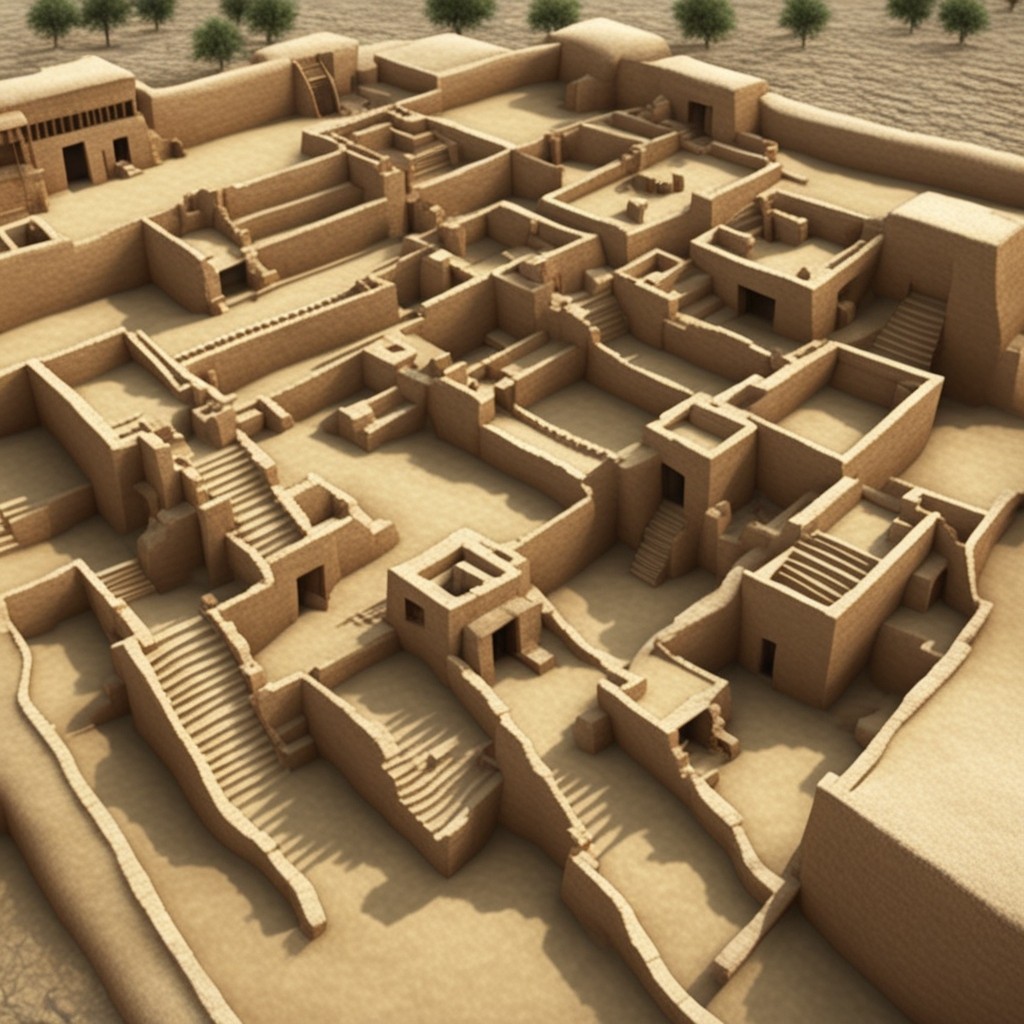
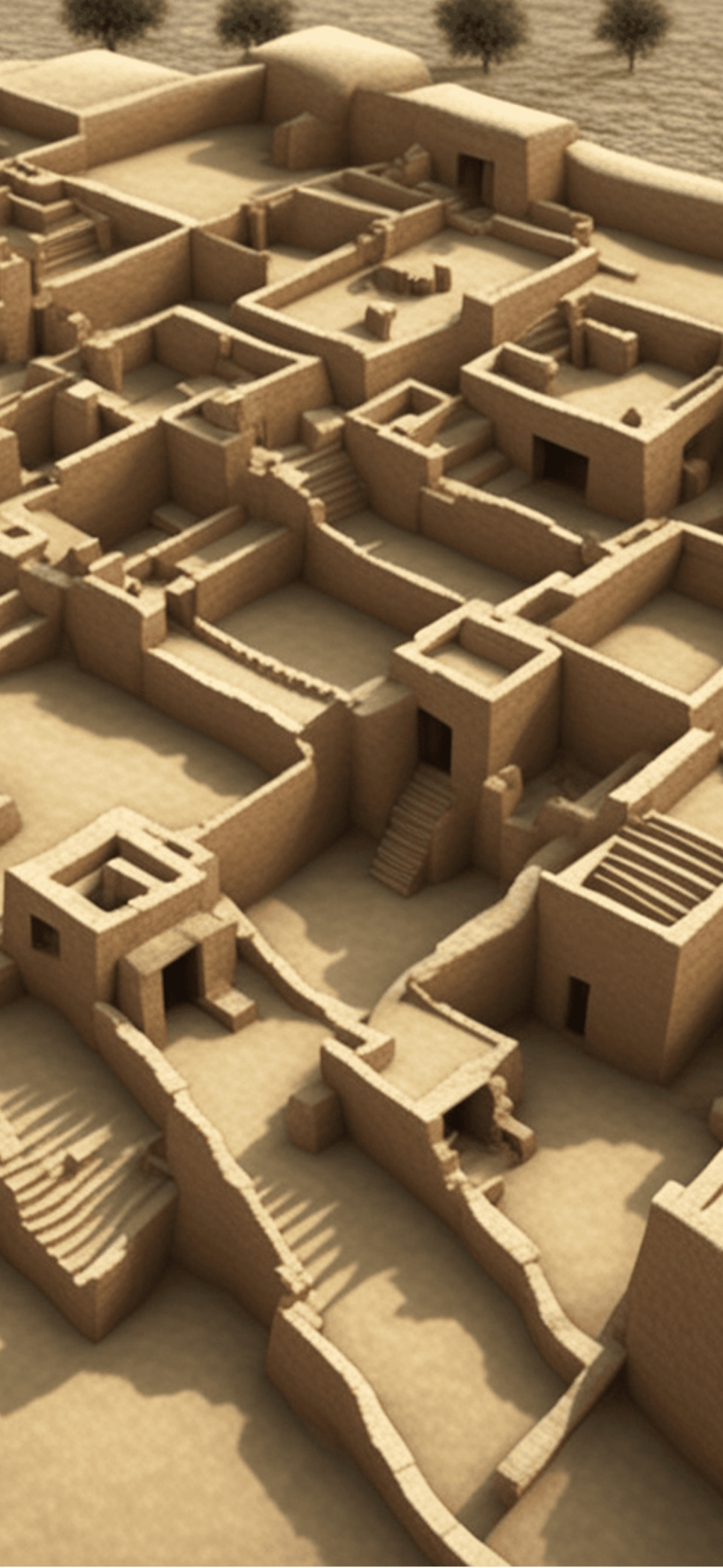
Nestled in the Rann of Kutch, Dholavira whispers tales of the ancient Indus Valley.
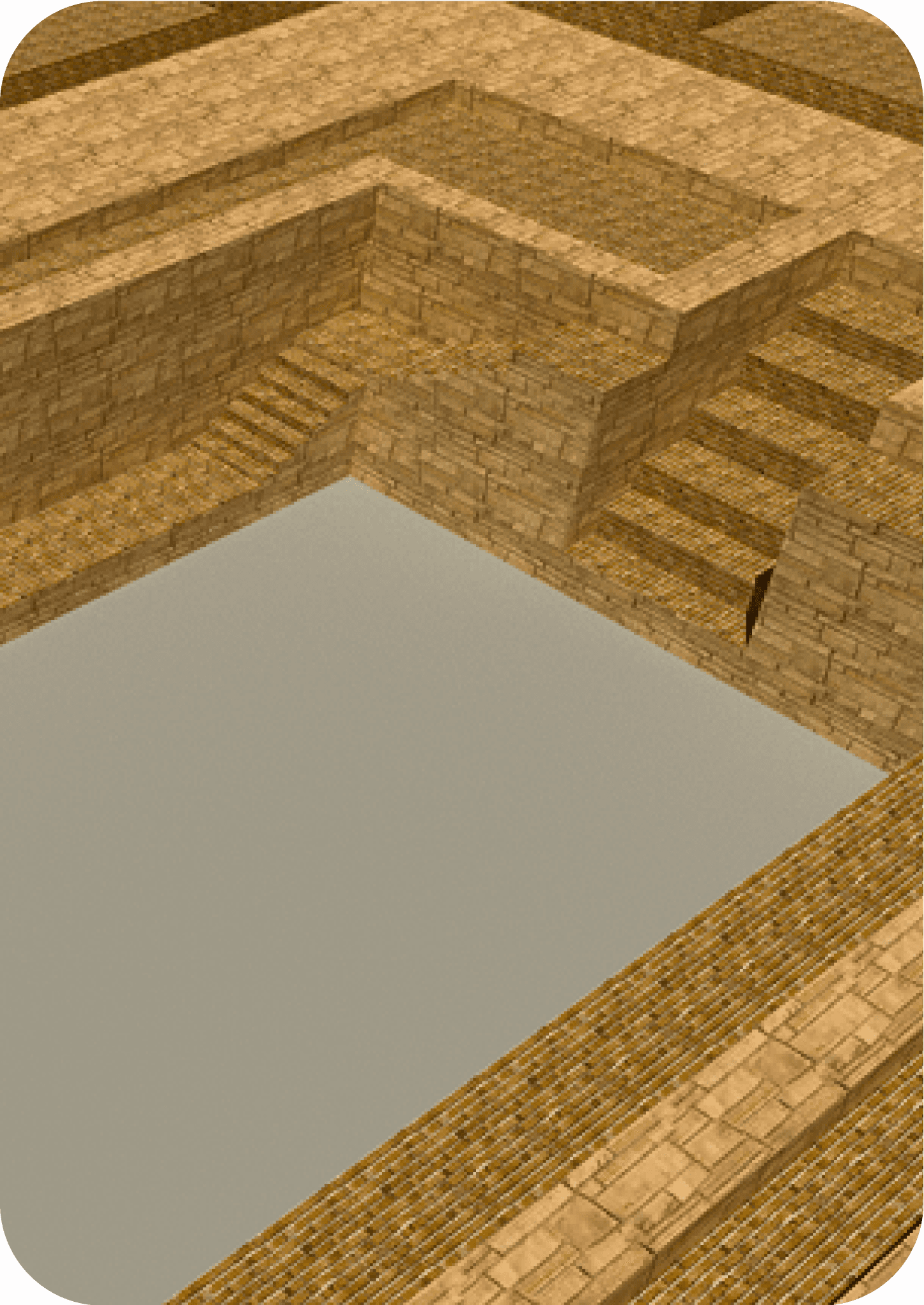
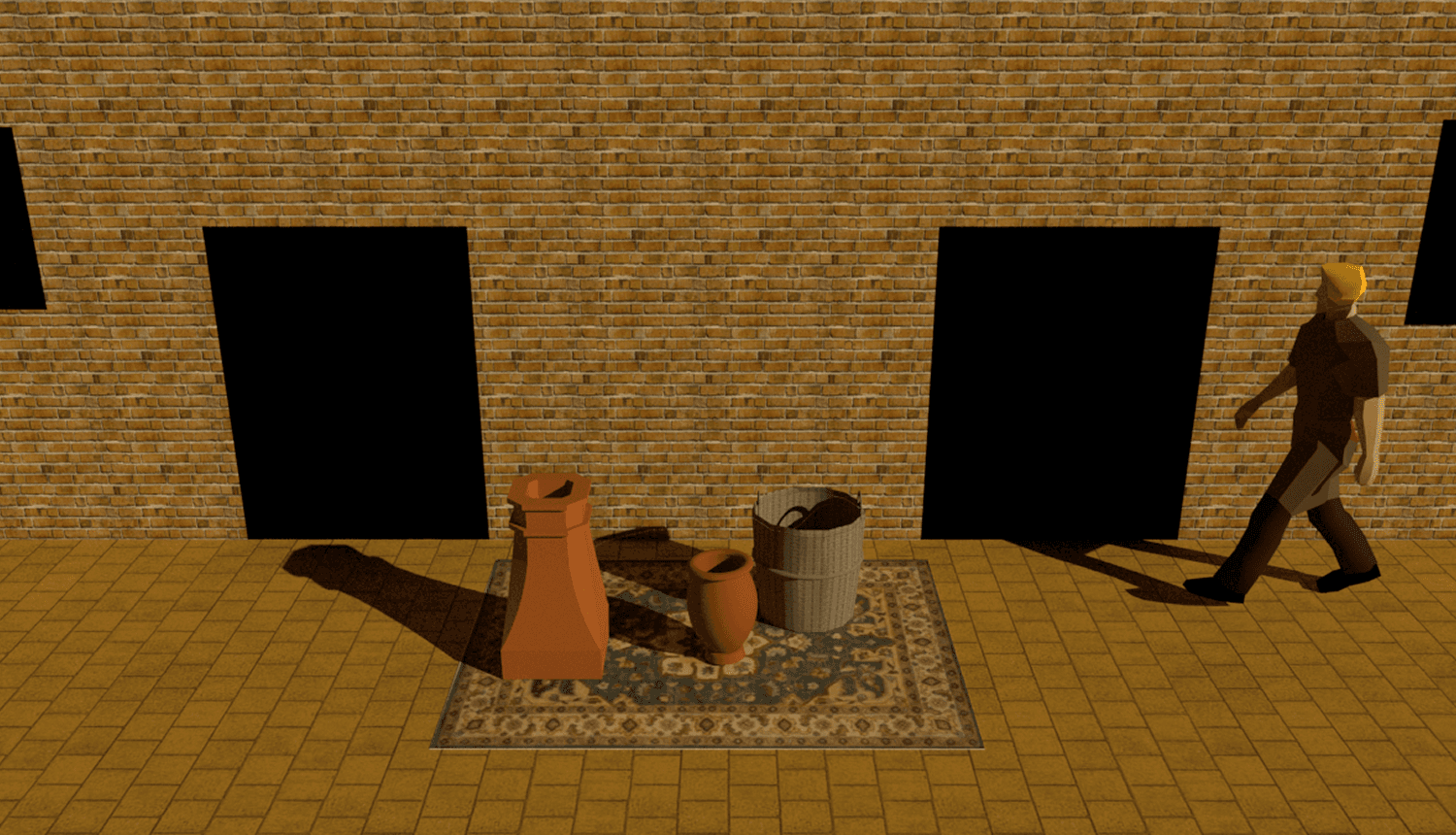
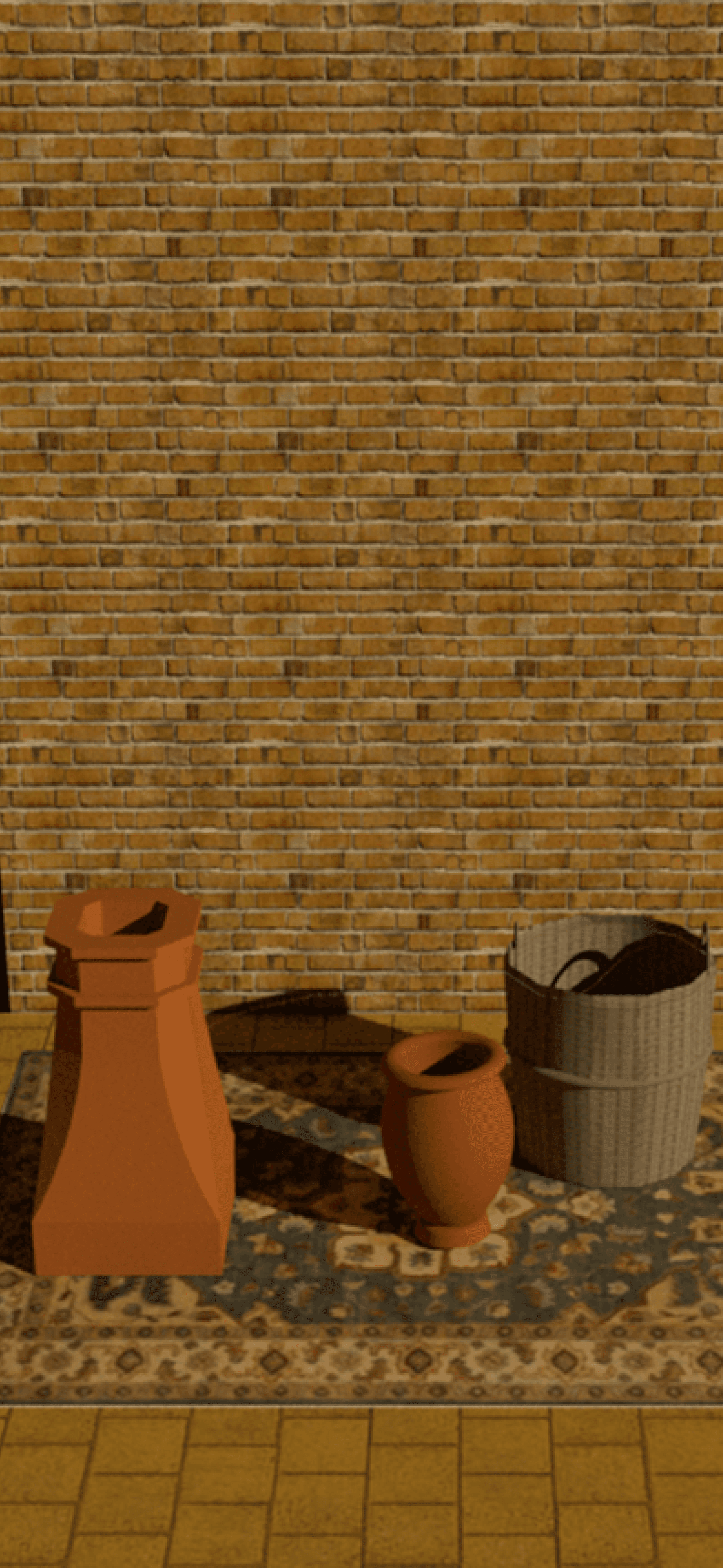
Dholavira is known for its advanced urban planning, with a well-defined citadel and lower town.The city features a complex water conservation system, including large reservoirs for storing rainwater. The archaeological findings at Dholavira suggest evidence of trade relations with other Harappan cities and regions. Artefacts such as seals, pottery, and jewelry have been uncovered, providing clues about the economic activities of the inhabitants.
30%
of Excavated Area Shows Urban Planning
60%
of Rainwater Harvested via Reservoirs
App Design - AR Experience - 3D Re
Indus Valley Civilisation - Dholavira
/01 . Introduction
Region Overview
Upon selecting a region, users delve into a detailed overview. This screen provides historical context, architectural highlights, and key cultural aspects of the chosen Indus Valley location, setting the scene for the upcoming AR adventure.
/02 . Navigation
Home Map Selection
Begin your immersive journey through the Indus Valley Civilisation. On this screen, users are greeted with an interactive map showcasing different regions of the ancient civilisation. Select a specific area to explore, setting the stage for a captivating AR experience.
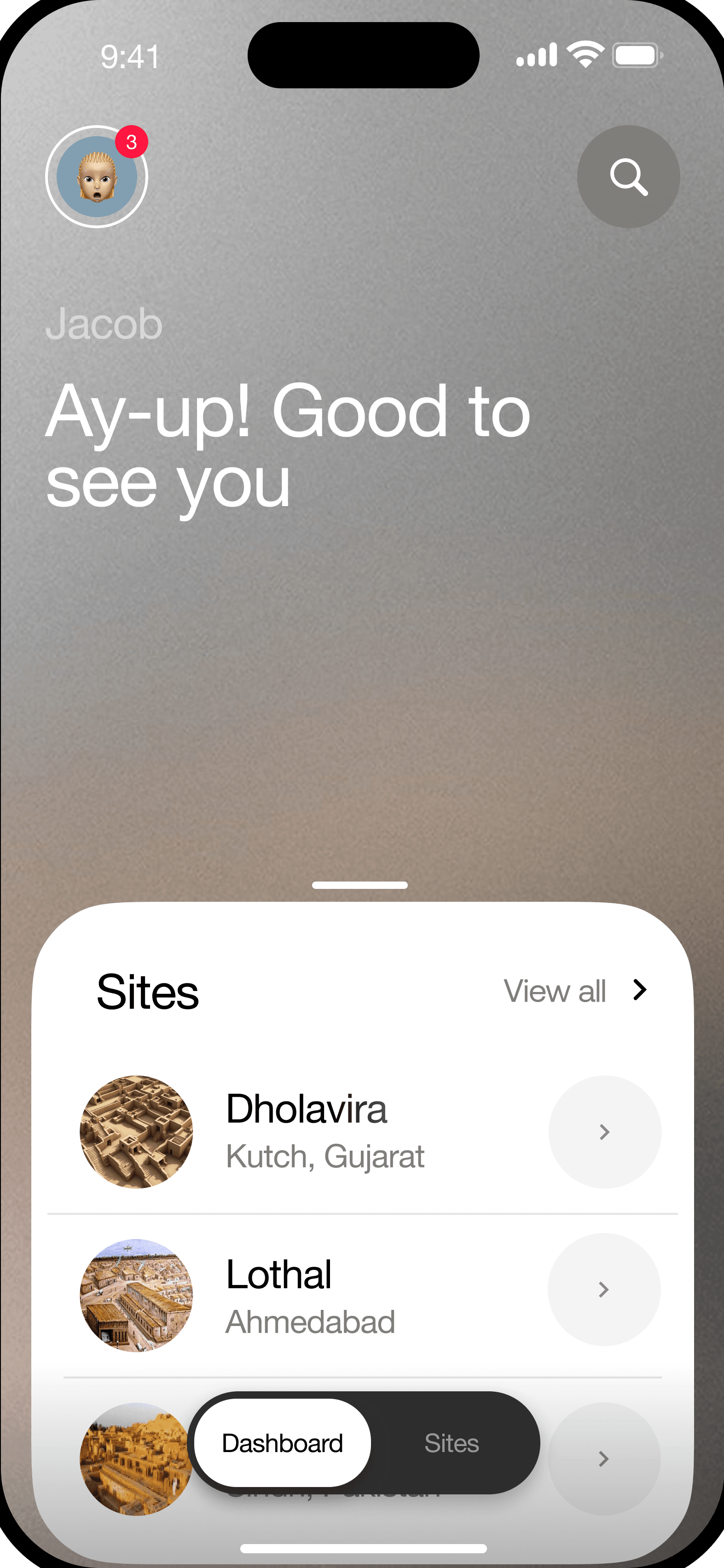
Lothal
Saragwala, Ahmedabad
38m
5.0
Dholavira
Kutch, Gujarat
30m
4.8
Mohenjo Daro
Sindh, Pakistan
42m
4.8
9:41
/03 . Geographical
Region Overview
Upon selecting a region, users delve into a detailed overview. This screen provides historical context, architectural highlights, and key cultural aspects of the chosen Indus Valley location, setting the scene for the upcoming AR adventure.

Artefacts (72)
Saved
0:15
1
0:15
Аа

3:15
2

0:15
3
0:15
AR
3 files
4

0:15
5
Posters
3 files
0:15
6
0:15
7
0:15
8
0:15
Аа
0:20
9
9:41
3:15
Jul 12
0:15
0:15
Аа
AR (3)
Saved
9:41
3:15
/04 . Planning
Selecting a site

Select a site
Settings
Select a site
Settings
AR
Experience with AR Glasses
Enable on-site visit
Mode
Schedule
Visit
Let's start!
9:41
/06 . Curatorial
Artefact Selection
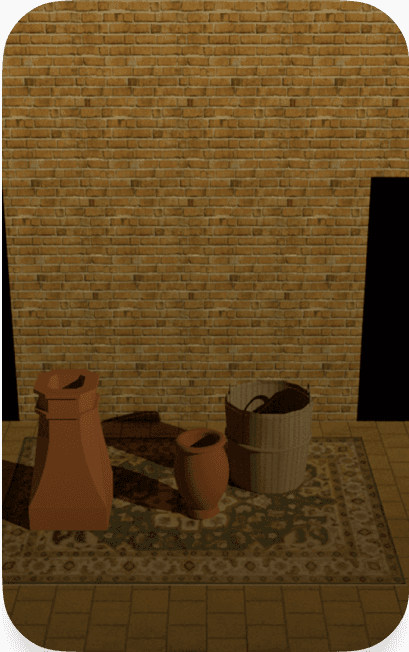
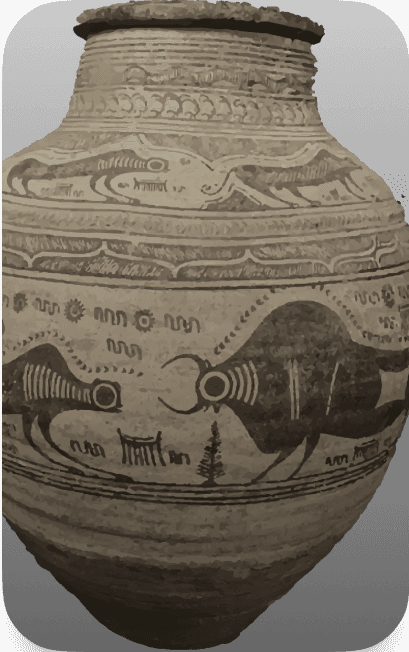
Explore a curated collection of artefacts discovered from the chosen region. This screen allows users to select specific artefacts for a closer look. Each item is accompanied by insightful information, unveiling the secrets of ancient craftsmanship and cultural significance.
01:12

9:41
3:15
01:12
9:41
3:15
/07 . Augmented Reality
AR Viewing Mode
Activate the AR viewer to bring selected artefacts to life. Users can place and interact with 3D-rendered versions of the artefacts in their real-world environment. Rotate, zoom, and appreciate the intricate details as if transported back in time.
/09 . 3D Renders
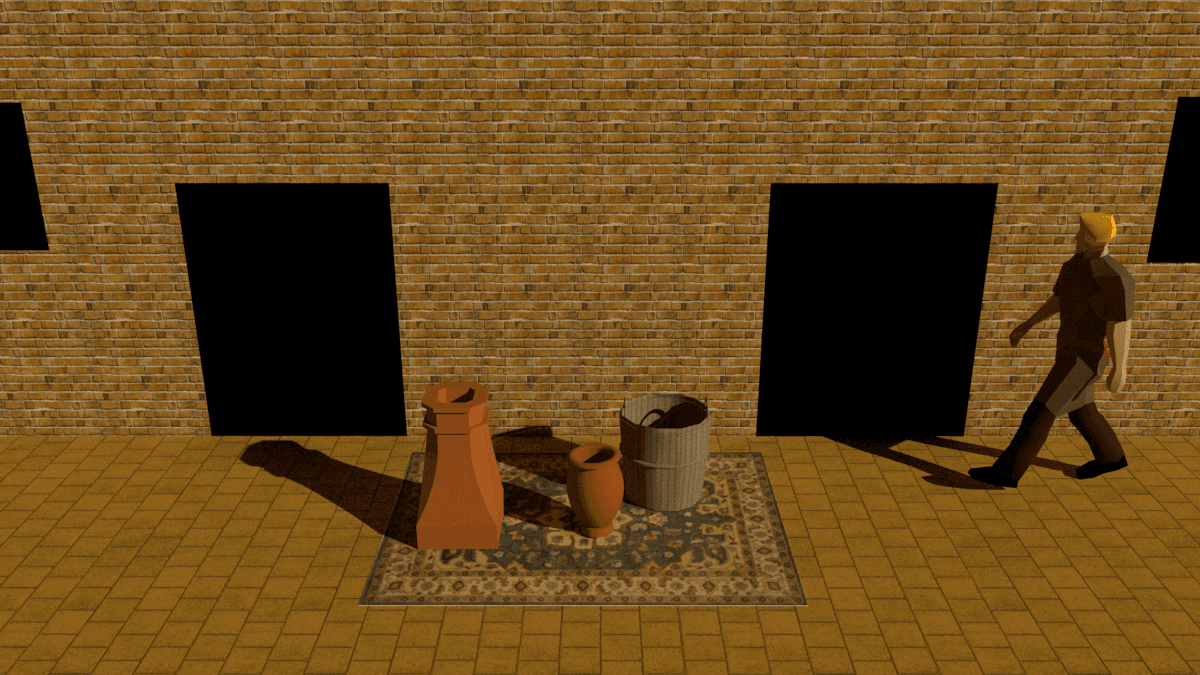
Middle and Lower Town
The Middle Town of Dholavira contained residential and commercial areas, while the Lower Town represented the extensive residential quarters. Both areas reflect the daily life, social structures, and economic activities of the ancient inhabitants, providing a glimpse into their lifestyle.
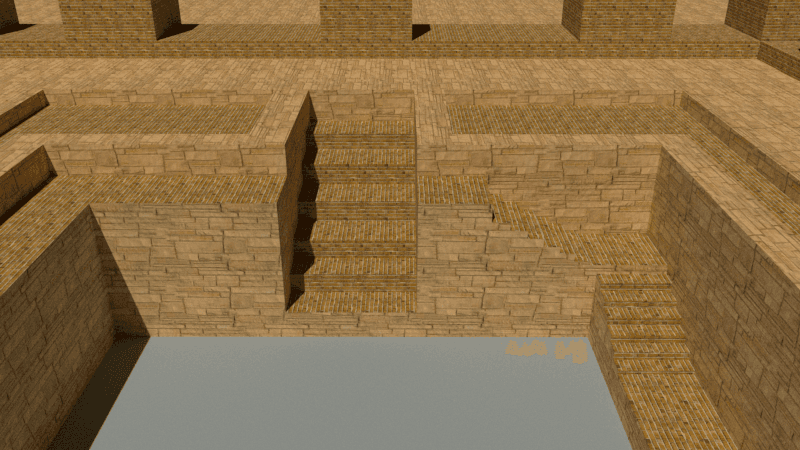
Urban Planning
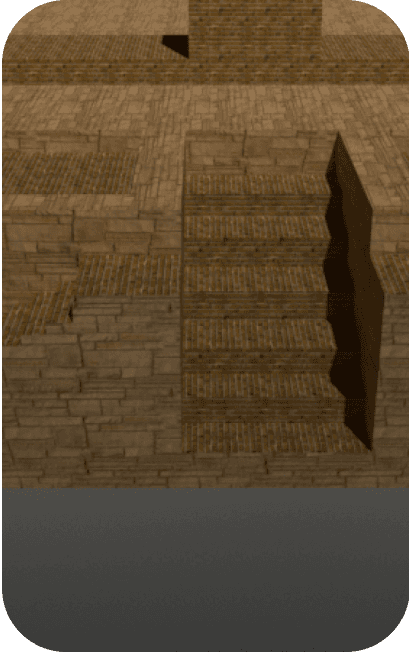
The use of standardized bricks and careful slope planning further attests to the precision and engineering acumen of the ancient inhabitants of Dholavira.
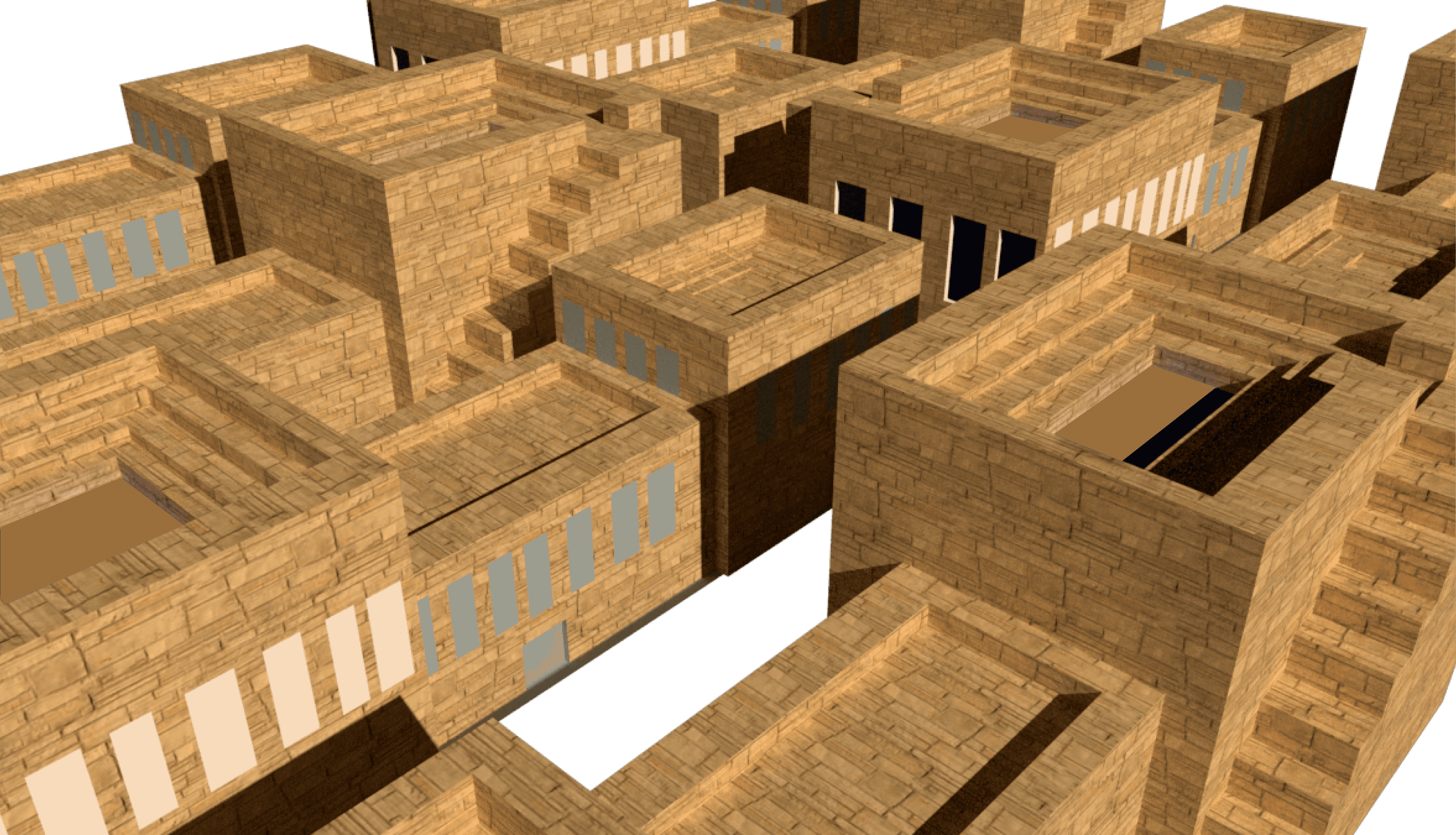
Grid System
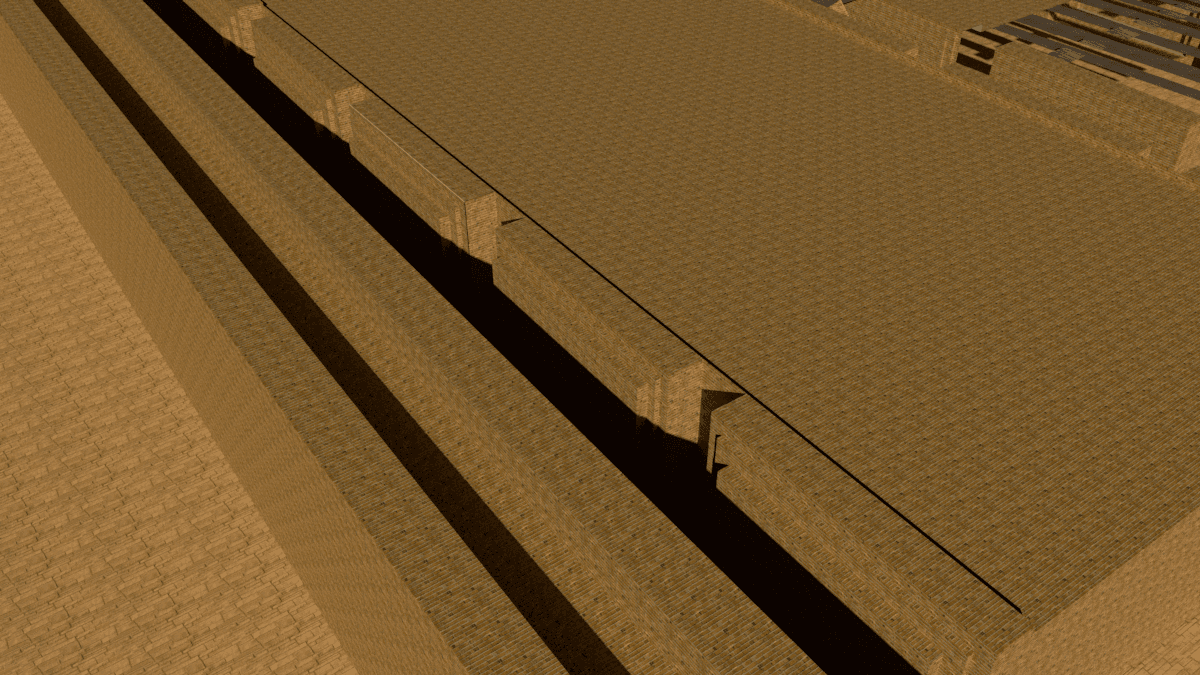
The city's grid system featured well-organized streets and blocks, revealing the systematic layout of Dholavira. This urban planning facilitated efficient movement and contributed to the overall orderliness of the ancient city and cultural significance.
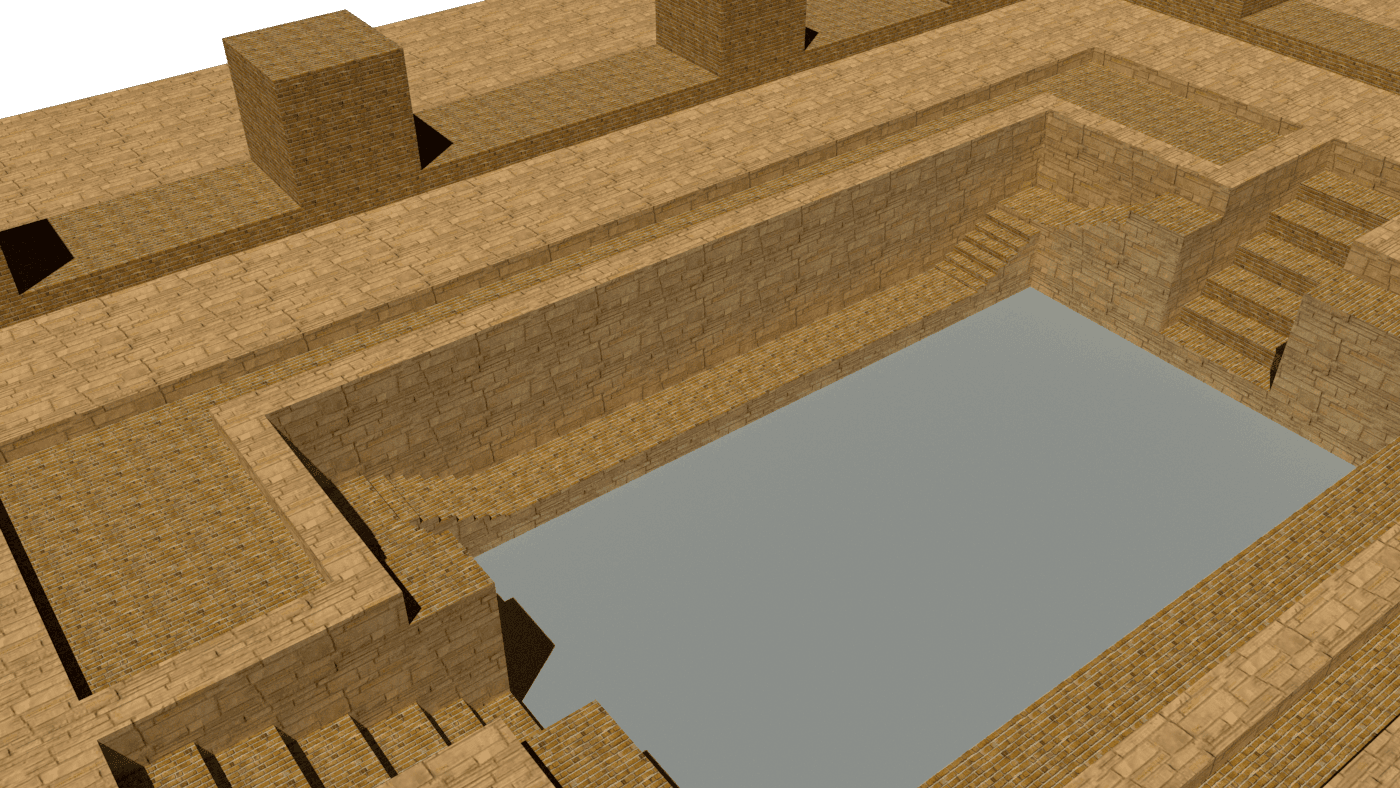
Reservoir
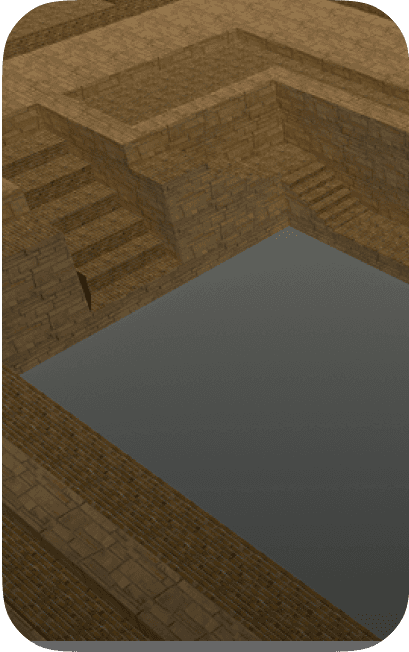
Designed with sophisticated engineering, it played a crucial role in managing water resources. This reservoir, reflecting the civilization's mastery of hydraulic systems, supported agricultural activities, emphasizing the importance of sustainable water management
Drainage Channels
Carefully designed channels and outlets facilitated the efficient disposal of wastewater, maintaining hygienic conditions. The interconnected system demonstrates a holistic approach to urban sanitation, highlighting the advanced engineering and social organization within the Indus Valley Civilization.